The Science Behind a Healthy Home
Understanding Termite Ecology Around Homes
Start Here Guide
March 18, 2026
Most homeowners assume termites appear suddenly and without warning. In reality, termite activity is closely connected to environmental conditions that allow colonies to survive long before damage becomes visible.
Understanding how termites live, feed, and move through landscapes is one of the most important steps in protecting the long-term health of a home.
The Ecological Role of Termites
Termites play an important role in natural ecosystems. In forests and natural landscapes, they break down dead wood and plant material, helping recycle nutrients back into the soil.
However, the same biological behavior that helps forests regenerate can become destructive when termites encounter structural wood in homes.
Homes provide stable shelter, structural wood, and protection from environmental extremes. These conditions can allow termite colonies to survive undetected for years.
Across the United States, termites cause billions of dollars in structural damage annually, making them one of the most economically significant structural pests.
Subterranean Termites
Subterranean termites are the most common and destructive termite group associated with structures.
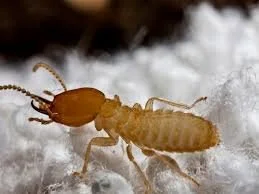
These termites live in underground colonies and travel through soil to reach food sources. They build mud tubes that allow them to move between the soil and wood while maintaining the moisture they need to survive.
Subterranean termites primarily feed on materials containing cellulose, including wood, paper, cardboard, and plant fibers.
Because they rely on moisture and soil contact, environmental conditions such as irrigation practices, soil moisture, and landscaping can strongly influence where these termites establish colonies.
Drywood Termites
Drywood termites behave differently from subterranean termites.
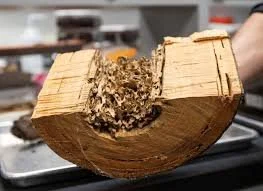
Instead of living in the soil, they live directly inside the wood they infest. Colonies may develop entirely within structural timbers, furniture, or wooden trim.
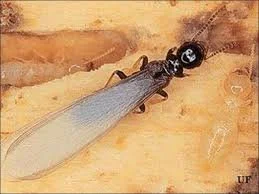
Because they do not require soil contact, drywood termites often spread through airborne swarmers that establish new colonies inside exposed wood.
Signs of drywood termite activity often include small piles of pellet-like droppings called frass.
Formosan and Invasive Termites
Some termite species are particularly aggressive and capable of forming extremely large colonies.
One example is the Formosan subterranean termite, an invasive species capable of causing extensive structural damage to buildings and trees.
In Florida and other warm climates, these termites can spread rapidly and establish colonies in urban environments where conditions are favorable.
Why Environmental Conditions Matter
Termites require several basic conditions to survive:
• moisture
• wood or cellulose
• shelter
• moderate temperatures
Homes often provide these conditions through irrigation systems, landscaping, wood-to-soil contact, or moisture accumulation near foundations.
Because subterranean termites originate in the soil, infestations often begin when termites encounter wood that touches or sits close to the ground.
Understanding these environmental conditions is a central principle of integrated pest management, which focuses on reducing the environmental factors that support pest survival.
Signs of Termite Activity
Termite infestations are often detected through indirect signs rather than visible insects.
Common warning signs include:
• mud tubes on foundations or walls
• hollow-sounding wood
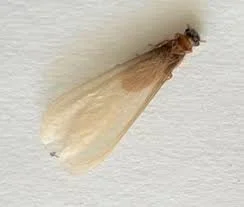
• discarded wings near windows or doors
• bubbling paint or damaged wood surfaces
Because termite colonies can remain hidden inside walls or underground for long periods, professional inspections are often necessary to detect early activity.
Understanding the Ecology of Termites
Termites do not randomly select homes. Instead, they respond to environmental conditions that support survival.
Moisture, wood, soil contact, and protected structural spaces create opportunities for termite colonies to expand.
By understanding how these environmental factors interact, homeowners can make better decisions about landscaping, moisture management, and routine inspections.
Recognizing the ecological conditions that attract termites is one of the most effective ways to reduce long-term structural risk.
Sources
Florida Department of Agriculture and Consumer Services – Subterranean Termites
University of Florida IFAS Extension – A Changing Landscape in Subterranean Termite Control
University of Florida IFAS Extension – Termite Biology and Behavior
Invasive Species Information Center – Formosan Subterranean Termite
Florida Department of Agriculture – Termite Information
Why Indoor Air Quality Is Part of the Ecology of Your Home
Start Here Guide
March 20, 2026
When people think about the health of their home, they often focus on visible problems such as pests, landscaping, or structural maintenance. However, one of the most important environmental systems affecting homes is the air inside them.
Indoor air quality plays a major role in comfort, respiratory health, and the long-term stability of the home environment.
Understanding how air moves, how moisture behaves, and how insulation interacts with these systems helps homeowners better understand the ecology of their homes.
Homes Are Environmental Systems
Modern homes function as controlled environments. Heating and cooling systems regulate temperature, insulation slows heat transfer, and ventilation influences how air moves throughout the structure.
Because of this, the air inside homes can sometimes contain higher concentrations of pollutants than outdoor air. Pollutants can originate from sources inside the home, including building materials, cleaning products, and everyday household activities.
Ventilation plays a critical role in managing these pollutants. Without adequate airflow, contaminants may accumulate because fresh outdoor air is not entering the structure to dilute them.
Why Moisture Is One of the Most Important Factors
Moisture is one of the most influential environmental conditions affecting indoor air quality.
When moisture accumulates inside a home, it creates conditions that allow mold and other biological growth to develop. According to the U.S. Environmental Protection Agency, controlling moisture is the most effective way to prevent mold problems indoors.
Leaks, condensation, poor ventilation, or high humidity levels can create damp environments that support mold growth and contribute to poor indoor air conditions.
Environmental guidance from the EPA recommends keeping indoor humidity below about 60 percent, ideally between 30 and 50 percent, to discourage mold and other biological pollutants.
The Role of Ventilation
Ventilation allows fresh air to circulate through indoor spaces and helps remove pollutants generated inside the home.
Cooking, cleaning, and heating systems can all release gases and particles into indoor air. Without proper ventilation, these pollutants may accumulate and affect the overall air environment within the structure.
Ventilation systems, exhaust fans, and properly functioning HVAC systems help move air through the home and reduce the buildup of indoor contaminants.
Why Insulation Matters for Air Quality
Insulation is often discussed primarily as a way to reduce heating and cooling costs, but it also plays a role in indoor environmental stability.
Proper insulation helps maintain consistent indoor temperatures and reduces temperature differences that can cause condensation inside walls or attics. When condensation forms, moisture can accumulate and create conditions that support mold growth and other environmental problems.
Insulation also acts as part of the building envelope, helping limit the entry of outdoor pollutants such as dust, pollen, and other airborne particles.
When insulation, ventilation, and moisture control work together, they help create a stable indoor environment that supports healthier air conditions.
Indoor Air Quality and Home Ecology
Air quality is not separate from other environmental systems in the home. It is closely connected to:
• ventilation
• humidity
• insulation
• temperature stability
• structural design
These systems interact constantly to shape the environment inside a home.
When moisture levels are controlled, airflow is balanced, and building systems function properly, the home environment becomes more stable and healthier for the people living in it.
Understanding these environmental relationships is an important step toward understanding the ecology of your home.
Sources
U.S. Environmental Protection Agency – Protect Indoor Air Quality in Your Home
https://www.epa.gov/indoor-air-quality-iaq/protect-indoor-air-quality-your-home
U.S. Environmental Protection Agency – A Brief Guide to Mold, Moisture, and Your Home
https://www.epa.gov/mold/brief-guide-mold-moisture-and-your-home
U.S. Environmental Protection Agency – Mold and Indoor Air Quality
https://www.epa.gov/mold
Occupational Safety and Health Administration – Indoor Air Quality
https://www.osha.gov/indoor-air-qualit
Asthma & Allergy Friendly Certification Program – Insulation and Indoor Air Quality
https://www.asthmaandallergyfriendly.com/USA/creating-a-healthier-home-the-role-of-certified-insulation-in-indoor-air-quality/