The Healthy Home Field Guide
Healthy homes don’t happen by accident. They develop when homeowners understand how environmental conditions influence pests, plant health, air quality, and the structures we live in.
This field guide provides simple checklists and seasonal observations that help homeowners recognize small changes before they become bigger problems.
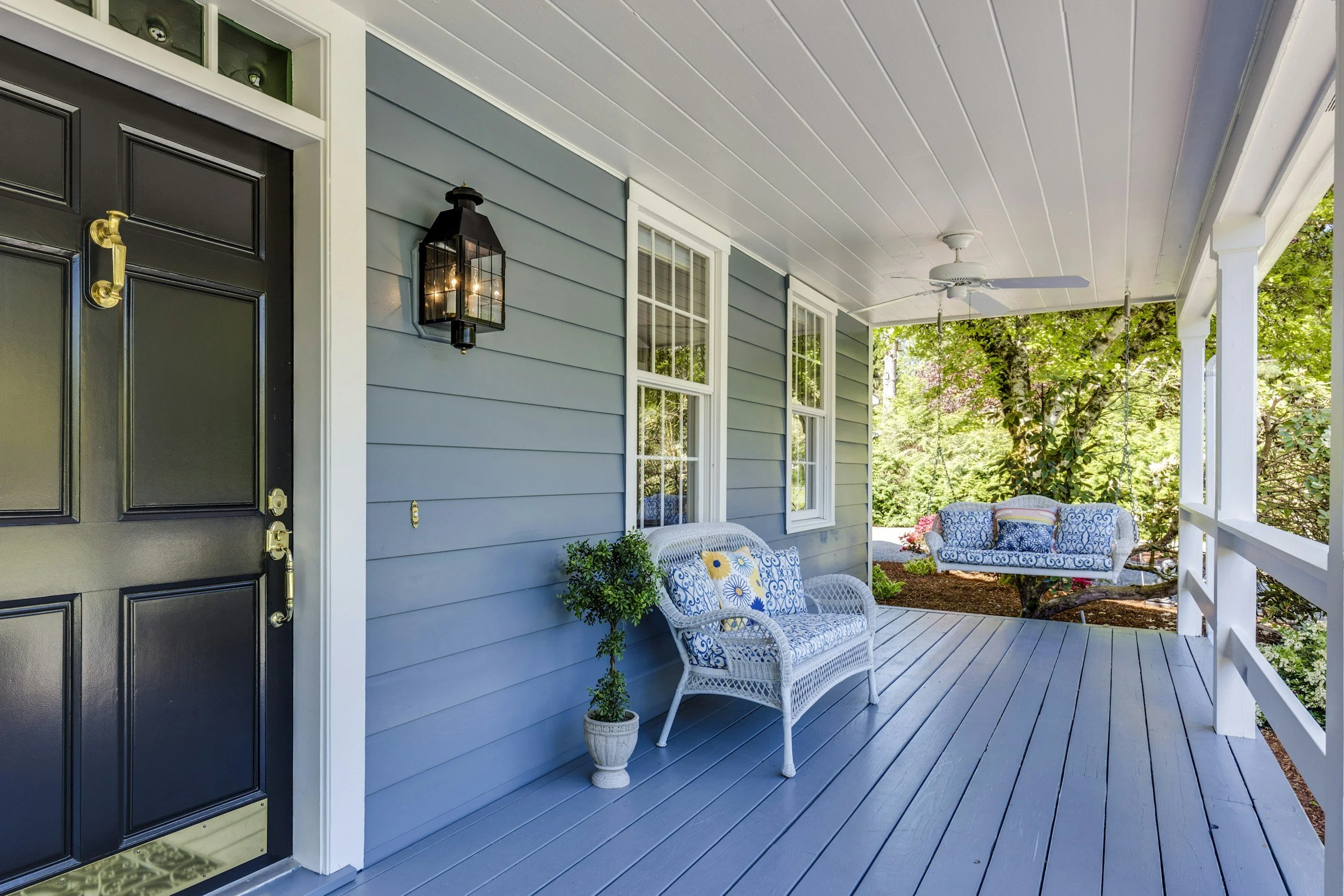
Exterior
Check around the outside of your home regularly.
• Keep vegetation and mulch 18–24 inches away from siding and foundations
• Trim branches and vines that touch the house
• Inspect foundation walls for cracks or gaps
• Make sure door sweeps and weather stripping are intact
• Check window screens for tears
• Clean gutters and ensure downspouts move water away from the house
• Remove standing water near foundations
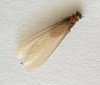
Termite Prevention Checklist
Inspect for:
• mulch piled against exterior walls
• soil touching wood structures
• moisture near foundations
• wood debris near the home
• irrigation hitting siding
Termites respond to environmental conditions that support moisture and shelter.
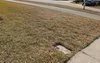
Lawn Recovery Checklist
Focus on:
• mowing at proper height
• watering only when needed
• avoiding early heavy fertilization
• monitoring soil moisture
Warm-season grasses recover best with patience and proper seasonal care.
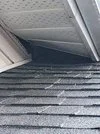
Entry Points
Many pests enter through small structural gaps.
Look for:
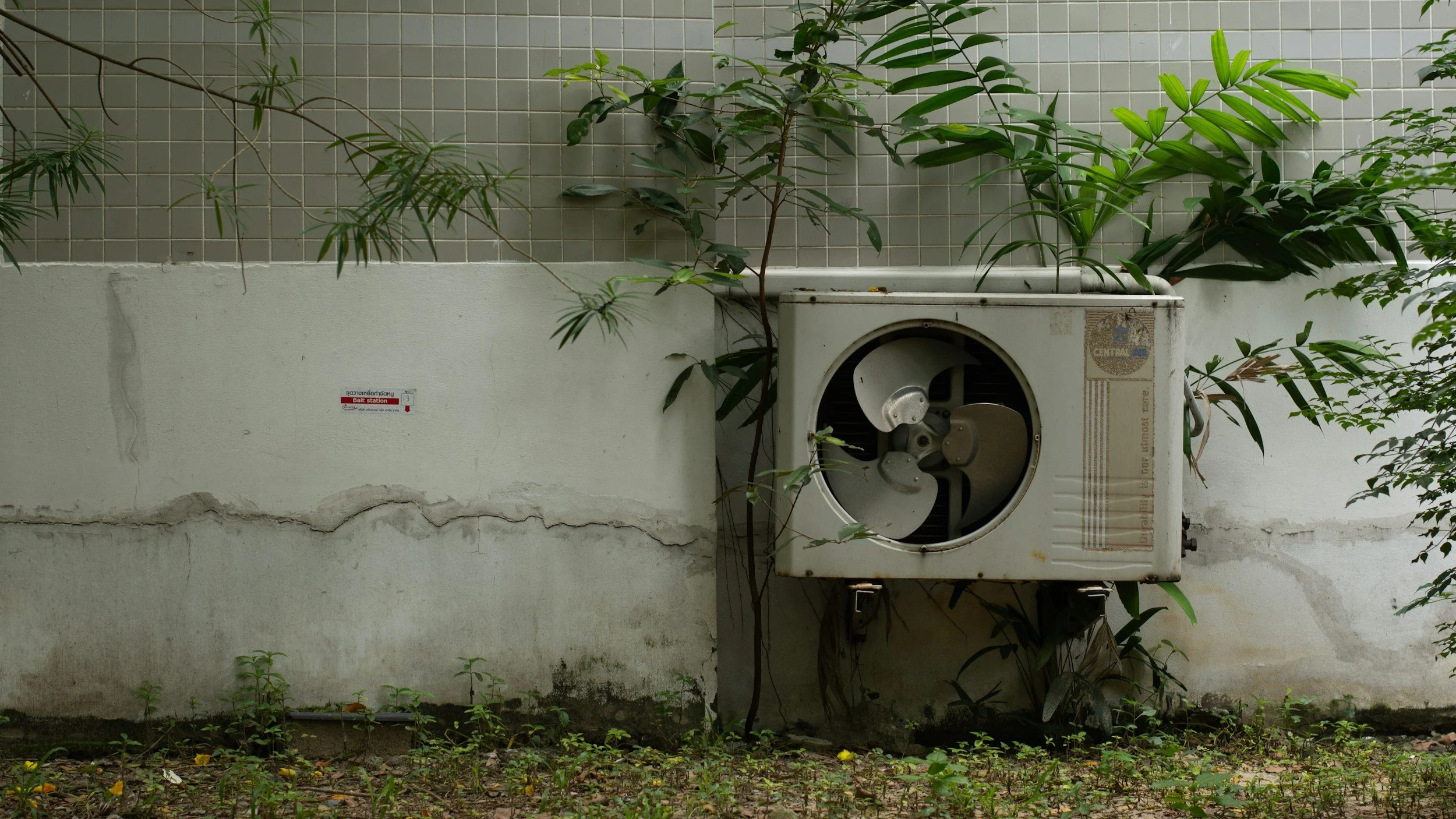
• openings around pipes, AC lines, or cables
• gaps under doors or garage doors
• damaged weather stripping
• gaps near roof vents or soffits
Sealing small openings helps prevent insects and rodents from entering.

Moisture Management
Moisture is one of the most important environmental factors influencing pest activity.
Check for:
• leaking hose connections
• irrigation hitting the house
• HVAC condensation lines draining properly
• damp crawlspaces or musty odors
• gutters draining away from the foundation
Reducing excess moisture removes one of the key conditions pests need to survive.

Indoor Spaces
Indoor conditions also influence pest activity.
Observe:
• food stored in sealed containers
• crumbs or spills behind appliances
• leaking plumbing under sinks
• trash containers with tight lids
• clutter that may provide shelter for insects or rodents

Lawn and Landscape
Healthy landscapes reduce pest pressure near the home.
• mow grass at the recommended height for your turf type
• avoid overwatering
• remove leaf litter near structures
• trim shrubs so airflow reaches walls
Air Quality & Ventilation
Indoor air quality is influenced by airflow, humidity, and filtration.
Check for:
• HVAC filters replaced every 1–3 months
• humidity levels below 60%
• attic ventilation functioning properly
• condensation near vents or windows
• bathroom and kitchen exhaust fans working
Proper airflow helps reduce moisture, mold risk, and conditions that attract insects.
Healthy Home Tip
Walk around the perimeter of your home once each month.
Small environmental changes — moisture, vegetation growth, structural gaps — often appear long before pest activity becomes visible.
Early observation is one of the most effective prevention strategies.